Jul 26, 2026Buying Guides
How to Correctly Use Plastic Hangers for an Organized and Damage-Free Closet
To help your garments last longer and maintain their shape, here is a professional guide on how to correctly use plastic hangers.
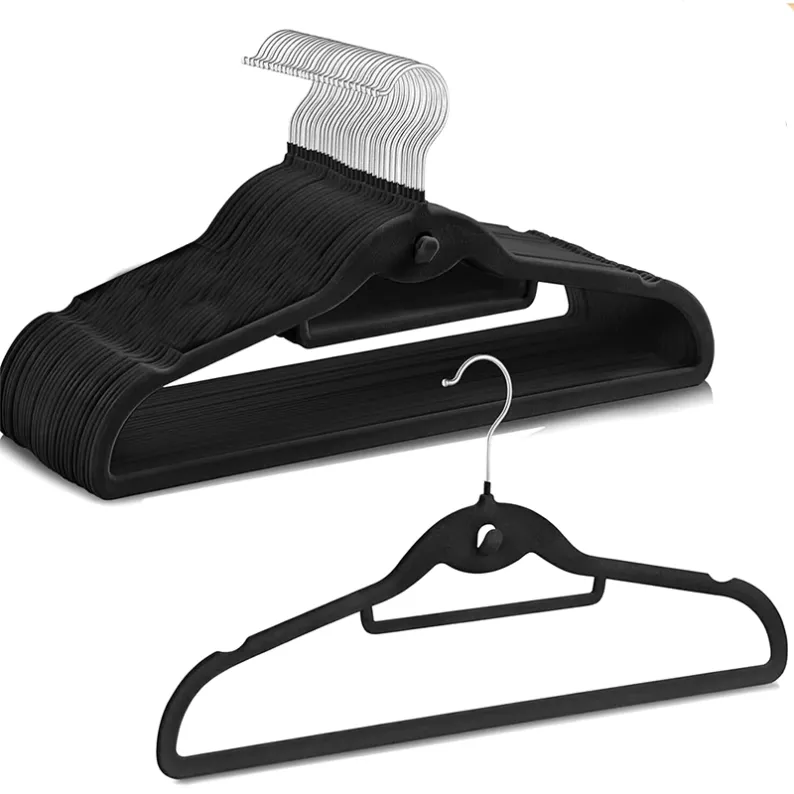
Plastic hangers are arguably the most popular and budget-friendly closet essentials worldwide. From clothing retail stores to everyday households, they keep our wardrobes organized. However, many people unknowingly misuse plastic hangers, which can stretch out expensive fabrics, cause unsightly shoulder bumps, or break the hangers prematurely.
To help your garments last longer and maintain their shape, here is a professional guide on how to correctly use plastic hangers.
1. Match the Hanger Weight to the Clothing WeightThe number one rule of using plastic hangers is to understand their weight capacity. Standard or lightweight plastic hangers are designed exclusively for shirts, blouses, t-shirts, and summer dresses.
- Do not use thin plastic hangers for heavy items like wool winter coats, leather jackets, or heavy denim jeans. Overloading will cause the plastic to bend, warp, or snap.
- The Right Way: For heavy garments, always opt for Heavy-Duty Plastic Hangers or Tubular Thick Plastic Hangers that feature reinforced structures to handle the weight without bending.
2. Utilize Shoulder Notches Correctly for Strappy ClothesHave you ever noticed the little U-shaped indentations or hooks on the shoulders of plastic hangers? These are called shoulder notches.
- The Right Way: These are specially designed to secure strappy tops, camisoles, underwear, slip dresses, and skirts with hanging loops. By feeding the straps into these notches, you prevent the slick plastic from letting your slippery clothes slide off onto the closet floor.
3. Prevent "Shoulder Bumps" with the Right SizingOne of the biggest complaints about plastic hangers is the dreaded "shoulder bump" or "hanger marks" on knitwear and sweaters. This happens when the hanger is too wide or too narrow for the shirt's shoulder seams.
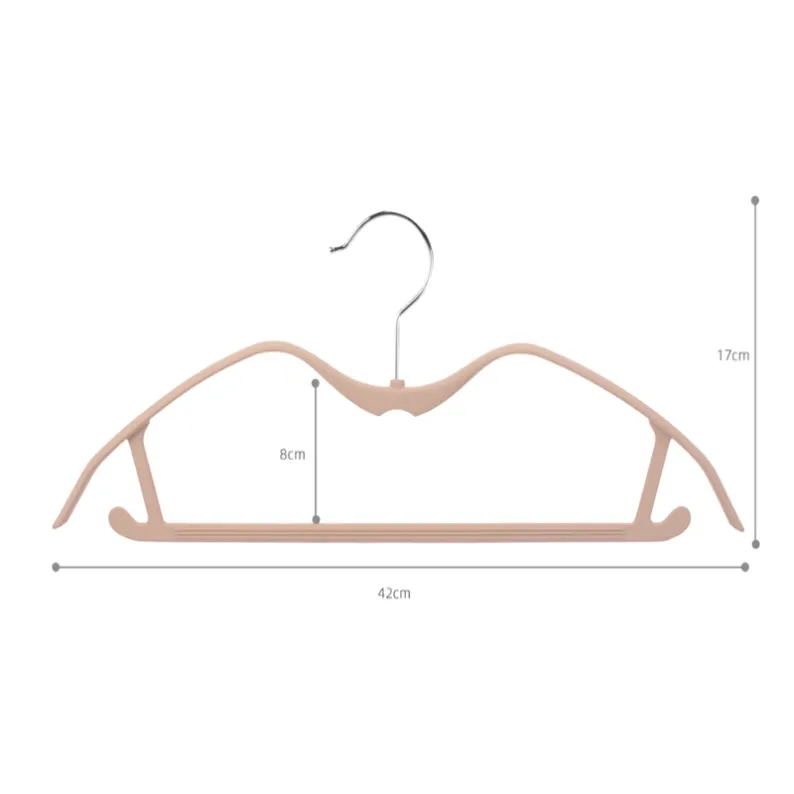
- The Right Way: Match the hanger size to the garment. Standard adult plastic hangers are usually 16 to 17 inches wide. If you are organizing children's clothes, always use Kids/Baby Plastic Hangers (typically 11 to 12 inches) to avoid over-stretching the necklines and shoulders. Furthermore, delicate knits and heavy sweaters should actually be folded rather than hung on standard plastic.
4. Choose Plastic Hangers with Rubber Grips for Silk and Silky FabricsStandard plastic has a smooth, slippery surface. If you hang silk blouses, polyester dresses, or wide-neck shirts on plain plastic, they will constantly slip off, leading to wrinkles and frustration.
- The Right Way: If you are hanging slippery fabrics, look for Non-Slip Plastic Hangers with Rubber Grips. These hangers feature integrated silicone or rubber pads on the shoulders and pant bars, providing the necessary friction to lock garments firmly in place.
5. Hang Pants Without CreasingMany plastic hangers come with a bottom horizontal bar, often referred to as a pant bar.
- The Right Way: To hang trousers or jeans properly, fold them neatly in half vertically, then drape them over the bottom bar. Make sure the weight is evenly balanced between the front and back of the hanger. If your trousers tend to slide off, choosing a hanger with a ribbed or rubberized pant bar will solve the problem completely.
- Conclusion
When used correctly, high-quality plastic hangers are efficient, space-saving, and incredibly durable. By simply selecting the right thickness for your garment weight, utilizing built-in notches, and opting for non-slip designs when necessary, you can protect your wardrobe investment and enjoy a perfectly organized closet for years to come.